
The first cup of Korean Red Ginseng tea can be a surprise.
It does not taste like peppermint, fruit tea, or the sweet instant ginseng drinks found in some grocery stores. Real Red Ginseng root has a distinctly earthy character, a little bitterness, and a warm finish that lingers after each sip.
That honest flavor is part of its appeal. There is no need to hide it under a long list of ingredients. Once you find the right water temperature and steeping time, Korean Red Ginseng becomes an easy addition to a morning or early-afternoon routine.
Here is how to prepare it without making the tea unnecessarily strong or bitter.
What Is Korean Red Ginseng?
Korean Red Ginseng is made from the root of Panax ginseng. “Red” does not refer to a separate variety of ginseng. It describes the way the root is processed.
Fresh ginseng is steamed and then dried. This process darkens the root, changes its aroma and alters some of its naturally occurring compounds. White ginseng, by comparison, is generally made by drying the fresh root without the same steaming process. Published research describes Red Ginseng as the steam-processed form of Panax ginseng.
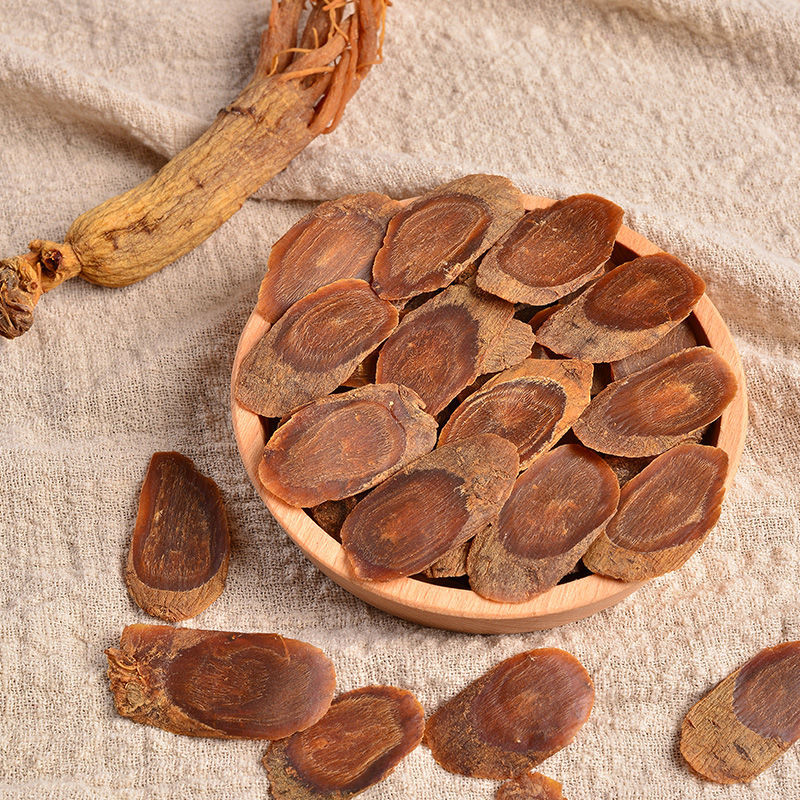
Once dried, the root can be ground into powder, made into an extract or cut into slices. Slices are especially practical because you can see the ingredient, control the strength of each cup and steep them more than once.
What Does Red Ginseng Tea Taste Like?
A cup made from real Red Ginseng slices should not taste like a sugary bottled energy drink.
Expect a combination of:
- Earthy and woody notes
- Gentle natural bitterness
- A slightly roasted aroma
- A mild sweetness that becomes easier to notice as the tea cools
The longer the slices steep, the more pronounced the bitterness becomes. If your first cup tastes too intense, use fewer slices or shorten the steeping time before adding sweeteners.
A little honey can soften the edges, but a properly brewed cup should still taste recognizably like ginseng.
A Simple Korean Red Ginseng Tea Recipe
You do not need special equipment. A covered mug, teapot or small saucepan will work.
What You’ll Need
- 3–5 thin Korean Red Ginseng slices
- 10–12 oz hot water
- A covered mug or small teapot
- Honey, lemon, ginger or dried jujube, if desired
Method
- Place the Red Ginseng slices in your mug or teapot.
- Heat the water until it is just below a full rolling boil.
- Pour the hot water over the slices.
- Cover and steep for 8–10 minutes.
- Taste before adding anything else.
- Leave the slices in for a stronger cup, or remove them if the flavor is already where you want it.
Start with a lighter infusion. You can always steep it longer, but it is difficult to rescue a cup that has become unpleasantly bitter.
Most slices can be steeped a second time. The second cup will usually be softer and less earthy, so let it infuse a few minutes longer.
Three Easy Ways to Adjust the Flavor
1. Honey and Lemon
Add a small amount of honey after the tea has cooled slightly, followed by a squeeze of lemon.
The honey rounds out the bitterness, while the lemon makes the cup feel lighter. Avoid adding too much of either. The point is to balance the ginseng, not cover it completely.
2. Ginger and Dried Jujube
For a warmer, deeper infusion, add two slices of fresh ginger and one or two pieces of dried jujube.
Simmer everything gently for 10–15 minutes. This produces a fuller cup with natural sweetness from the jujube and a little heat from the ginger.
3. Refrigerated Cold Infusion
Place several Red Ginseng slices in a covered bottle of cold water and refrigerate overnight.
Cold water extracts flavor more slowly, so the finished drink tends to be smoother and less bitter than a hot infusion. Keep it refrigerated and drink it within a day.
When Is the Best Time to Drink Red Ginseng Tea?
Many people prefer Korean Red Ginseng tea in the morning or early afternoon. It is a convenient choice for anyone who enjoys a warm morning drink but does not want another cup of coffee.
Red Ginseng itself is caffeine-free. However, caffeine-free does not necessarily mean that every person will find it suitable immediately before bed. Sleep disturbance is one of the more commonly reported side effects of Asian ginseng, so anyone sensitive to it may prefer to avoid drinking it late in the day. The NCCIH provides a fuller overview of Asian ginseng safety and possible interactions.
There is no need to turn it into a complicated schedule. Begin with a mild cup and pay attention to how it fits your own routine.
Slices or Extract: Which Is Better?
Neither form is automatically better. They suit different habits.
Red Ginseng extract is compact and quick to use. It can be convenient for travel or busy mornings, although the taste and concentration vary considerably between products.
Red Ginseng root slices take more time, but they offer something an extract cannot: visibility and control. You can see the pieces of root, adjust the number of slices and decide exactly how strong you want the infusion.
Slices also make more sense for people who enjoy the preparation itself. Heating the water, waiting for the root to steep and drinking it slowly feels closer to making tea than taking a supplement.
Choose extract for speed. Choose slices when you want a simple ingredient and a more deliberate cup.
What to Look for When Buying Korean Red Ginseng Slices
A product labeled simply “ginseng” may not tell you very much. Several plants are sold under the ginseng name, and they are not interchangeable.
Check the following before buying:
Botanical Identity
Look for Panax ginseng, also called Asian or Korean ginseng. American ginseng and so-called Siberian ginseng come from different plants.
Country of Origin
If you specifically want Korean Red Ginseng, confirm that the product identifies Korea as its origin rather than relying only on Korean-style packaging.
A Clear Ingredient Format
With whole root slices, you should be able to see their natural variation. Uniform candy-like pieces or a strong added fragrance may indicate additional processing or flavoring.
Packaging
Dried roots absorb moisture and surrounding odors. A well-sealed pouch helps protect their aroma after opening.
Branson Tea’s Premium Korean Red Ginseng Slice is listed as Korean-origin Panax ginseng, AAA grade, USDA Organic and caffeine-free. It is packed in a resealable pouch and offered in several sizes, including a smaller 2 oz option for first-time buyers. Product details are available on the product page.
How to Store Red Ginseng Slices
Keep dried Red Ginseng slices in a cool, dry and dark place.
After opening the pouch:
- Press out excess air before resealing it.
- Keep it away from steam near the stove or kettle.
- Do not store it beside coffee, spices or other strongly scented ingredients.
- Always use a clean, dry spoon or dry hands.
- Check occasionally for unexpected moisture or changes in smell.
The product should retain a dry, firm texture and its characteristic earthy aroma. The manufacturer recommends storage at approximately 50–77°F. Refrigeration is generally unnecessary when the slices are sealed properly and kept away from humidity.
A Practical Safety Note
Korean Red Ginseng is a botanical product, not a replacement for medical care.
Asian ginseng may affect blood sugar and blood clotting and may interact with some prescription medicines. People taking diabetes medication, blood thinners, blood-pressure medication or certain antidepressants should speak with a qualified healthcare professional before using it regularly.
Pregnant or breastfeeding people, children, people preparing for surgery and those managing an ongoing medical condition should also seek professional advice first. If you notice an unwanted reaction, stop using the product and get appropriate medical guidance.
Frequently Asked Questions
Is Korean Red Ginseng the same as regular ginseng?
Korean Red Ginseng is made from Panax ginseng root that has been steamed and dried. “Ginseng” is a broader term that may also refer to American ginseng, Siberian ginseng or other products.
Does Red Ginseng contain caffeine?
Pure Red Ginseng root does not naturally contain caffeine. Check the full ingredient list when buying premixed ginseng drinks or tea blends, since they may include green tea, black tea or other caffeinated ingredients.
Can I reuse Red Ginseng slices?
Yes. The same slices can often be steeped a second time. Expect a lighter flavor and allow a slightly longer infusion.
Why is my Red Ginseng tea bitter?
Bitterness usually comes from using too many slices, steeping them too long or boiling them aggressively. Start with fewer slices and a shorter infusion.
Can I add Red Ginseng slices to another tea?
Yes, but check whether the other tea contains caffeine. Ginger, jujube and mild herbal blends pair especially well with the earthy flavor of Red Ginseng.
A Better Cup Starts with a Lighter Brew
Korean Red Ginseng does not need elaborate preparation. A few slices, hot water and eight to ten quiet minutes are enough.
Begin with a mild cup. Taste it without sweetener. Then adjust one thing at a time: another slice, a longer steep, a little honey or a piece of ginger.
That small amount of experimentation is usually all it takes to turn Red Ginseng from an unfamiliar root into a drink that feels at home in your daily routine.
Ready to brew your first cup? Explore Premium Korean Red Ginseng Slice from Branson Tea.